Why Do Cruise Ships Have to Stop in a Foreign Port? The U.S. Rule Explained

The short answer
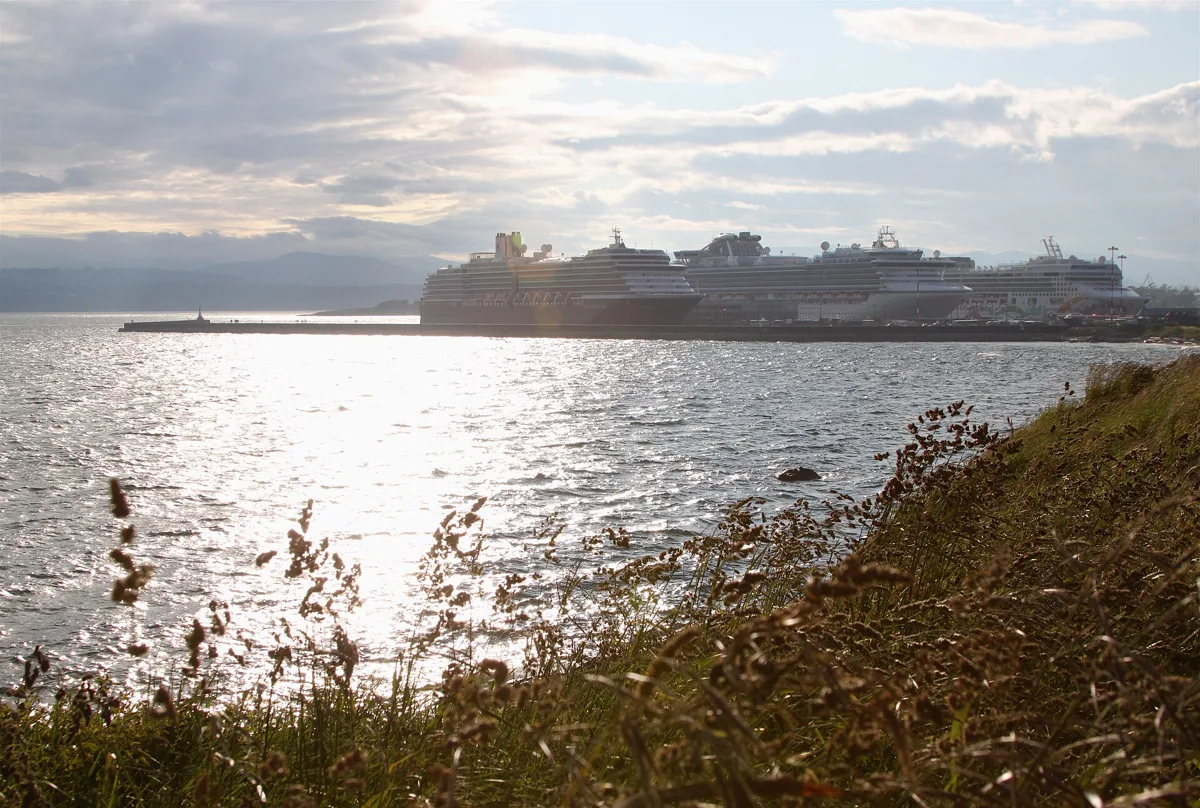
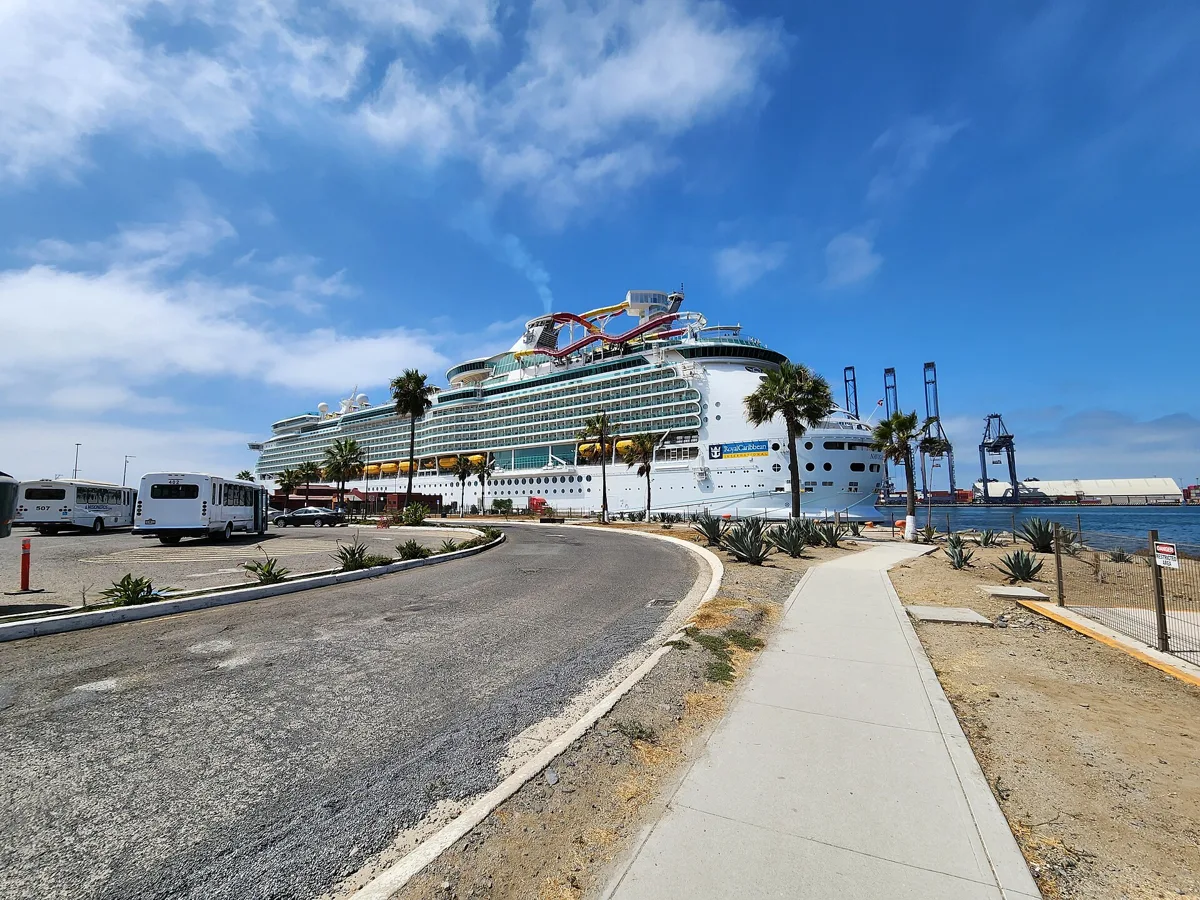
A cruise ship sailing from a U.S. port stops in a foreign port when it flies a foreign flag, because federal law bars foreign-flagged ships from carrying passengers from one U.S. port to another. The law is 46 U.S.C. 55103, which Customs and Border Protection (CBP) enforces as the Passenger Vessel Services Act. It allows only ships owned by U.S. citizens and holding a coastwise endorsement to transport passengers between U.S. ports "either directly or via a foreign port" (46 U.S.C. 55103). A stop in Canada, Mexico, the Bahamas or another foreign port turns the trip into a foreign voyage. That is why a cruise out of Seattle may visit Victoria, British Columbia, and a short cruise out of Los Angeles may visit Ensenada, Mexico.
In this explainer
- What the law actually says
- Why a foreign stop alone isn't always enough
- A port day is not "getting off"
- What happens if a passenger gets off at the wrong U.S. port
- Alaska: why the Canada stop matters
- Hawaii: the ship that doesn't need a foreign port
- The Puerto Rico exception
- Quick checks before you book or change plans
- Questions readers ask
- Sources and fact-check
The stop isn't just a formality, though. Which foreign port it is, and where you get off, decides whether the trip is legal. Here is how the rule works.
What the law actually says
The statute is short. A ship may carry passengers between U.S. ports where the coastwise laws apply, directly or via a foreign port, only if it is wholly owned by U.S. citizens and has a certificate of documentation with a coastwise endorsement (46 U.S.C. 55103). CBP's guide to the law adds that, in general, a coastwise-qualified vessel must also be U.S.-built (CBP, The Passenger Vessel Services Act).
Foreign-flagged ships can still do plenty from U.S. ports. CBP's guide says they may take on passengers at a U.S. port and let them off at a foreign port, and the other way around. What they can't do is take you from one U.S. port and drop you at another.
You will often see this called the Jones Act online. CBP's name for the passenger rule is the Passenger Vessel Services Act, or PVSA.
Why a foreign stop alone isn't always enough
CBP's regulation, 19 CFR 4.80a, sorts foreign ports into two groups (19 CFR 4.80a):
- Nearby foreign port: any foreign port in North America, Central America, Bermuda or the West Indies, including the Bahamas. Aruba, Bonaire and Curacao are excluded. A port in the U.S. Virgin Islands is treated as a nearby foreign port.
- Distant foreign port: any foreign port that isn't a nearby one.
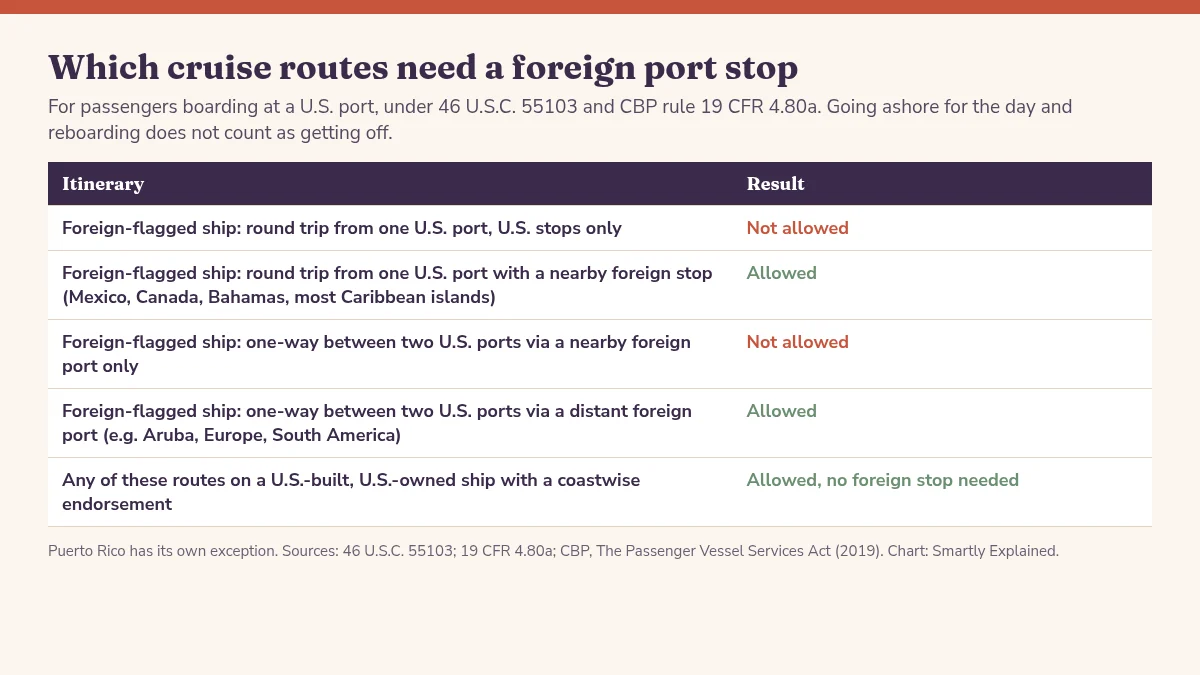
The regulation then sets out three cases for a ship that isn't coastwise-qualified:
- U.S. ports only. If the voyage visits only U.S. ports and the passenger gets off or goes ashore at one, it is a violation.
- U.S. ports plus nearby foreign ports. This is a violation only if the passenger disembarks at a U.S. port other than the one where they boarded. A round trip from one port, with a stop in Mexico or Canada, is fine.
- A distant foreign port. A passenger can board at one U.S. port and get off at another as long as they traveled with the ship to a distant foreign port.
| Route on a foreign-flagged ship | Allowed? | Rule |
|---|---|---|
| Round trip, U.S. ports only | No | 19 CFR 4.80a(b)(1) |
| Round trip from one U.S. port with a nearby foreign stop | Yes | 19 CFR 4.80a(b)(2) |
| One-way between two U.S. ports, nearby foreign stop only | No | 19 CFR 4.80a(b)(2) |
| One-way between two U.S. ports via a distant foreign port | Yes | 19 CFR 4.80a(b)(3) |
| Between Puerto Rico and another U.S. port | Yes, under an exception | 19 CFR 4.80a(c) |
In practice, a foreign-flagged ship can sail from Miami, call in the Bahamas and return to Miami. A one-way trip from Miami to New York, or Los Angeles to Seattle, on the same ship would need a distant foreign port on the way.
A port day is not "getting off"
Under 19 CFR 4.80a, the rule's terms for boarding and getting off a voyage don't apply to a passenger who goes ashore temporarily at a U.S. port and then reboards and sails on with the ship. Walking around Juneau or Key West for the day and coming back aboard isn't disembarking. What the rule cares about is where you board for the voyage and where you leave it for good.
CBP's guide says the ship's itinerary, whether a passenger paid, and how the trip was ticketed are all irrelevant. Only the places where passengers board for the voyage and leave the ship for good count. One of its examples: passengers sail from San Francisco to Vancouver and leave the ship with their luggage, then reboard in Vancouver on new tickets and get off at a U.S. port other than San Francisco. CBP says that is still a violation (CBP guide).
What happens if a passenger gets off at the wrong U.S. port
The statute sets the penalty at $300 for each passenger transported and landed. CBP's regulation adjusts it for inflation: $300 for violations on or before Nov. 2, 2015, and $996 for each passenger transported and landed after that date (19 CFR 4.80). The $996 figure came from the Department of Homeland Security's January 2025 inflation adjustment, which raised it from $971 (Federal Register, Jan. 2, 2025).
So if you are thinking of leaving a cruise early at a U.S. port of call, ask the cruise line first. On a round trip with only nearby foreign stops, staying off the ship at a different U.S. port is exactly the case the rule describes.
Alaska: why the Canada stop matters
A cruise from Seattle to Alaska and back on a foreign-flagged ship would visit only U.S. ports without a foreign call, and that is the first case in the rule. A stop in a Canadian port such as Victoria, British Columbia, fixes it.
How much the stop matters showed in 2021. With Canada's ports closed to cruise ships, Congress passed the Alaska Tourism Restoration Act (Public Law 117-14, signed May 24, 2021). It said a round trip between Washington and Alaska by one of the listed ships would be "deemed to have made a stop in a port or place of Canada" and treated as a foreign voyage. The ship had to email a list of its foreign crew members to the Canada Border Services Agency and to CBP, and the voyage had to begin by Feb. 28, 2022 (Public Law 117-14). That waiver was temporary. The regular rule applies again.
If you are flying in for an Alaska cruise, our guide to packing a winter coat in a carry-on covers getting a bulky layer onto the plane.
Hawaii: the ship that doesn't need a foreign port
CBP uses Hawaii as an example. A foreign-flagged ship that boards passengers in Los Angeles, visits several Hawaiian islands where they go ashore, and brings them back to Los Angeles is in violation. So is a ship that sails Los Angeles to Hawaii to Ensenada and then lets passengers off in San Diego, because Ensenada is only a nearby foreign port (CBP guide).
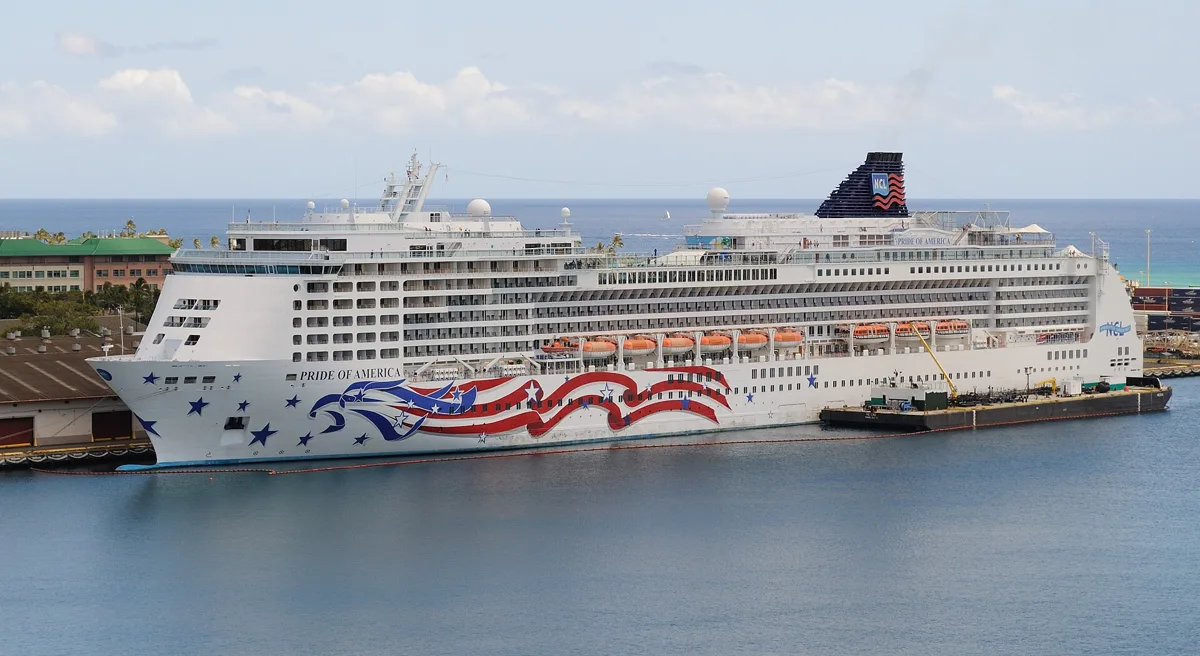
A U.S.-flagged ship gets around this. Norwegian Cruise Line describes Pride of America as its only U.S.-flagged cruise ship, sailing seven-day cruises from Honolulu year-round. Because it is U.S.-flagged, NCL says its crew must meet U.S. Coast Guard requirements, including U.S. citizenship or permanent resident status (NCL).
The Puerto Rico exception
Puerto Rico is the main carve-out. Under 46 U.S.C. 55104, a ship that isn't coastwise-qualified may carry passengers between Puerto Rico and another U.S. port until a qualified U.S.-flag passenger ship is found to be available for that service. CBP's regulation lists the same exception (19 CFR 4.80a(c)). CBP's guide notes that it covers trips between Puerto Rico and other U.S. ports, not trips between ports within Puerto Rico.
Quick checks before you book or change plans
- Round trip from one U.S. port: look for at least one foreign stop on the itinerary. A nearby one is enough.
- One-way between two U.S. ports: check that the route includes a distant foreign port (Aruba, Bonaire, Curacao, or anywhere outside North America, Central America, Bermuda and the West Indies), or that the ship is U.S.-flagged.
- Planning to leave early: ask the cruise line in writing before you go.
- Port days: go ashore as planned. A day ashore isn't disembarking.
If your trip starts with a flight, our guide to what to do when an airline loses your bag is worth a read before you head to the pier.
Questions readers ask
What law makes cruise ships stop in a foreign port?
The Passenger Vessel Services Act, codified at 46 U.S.C. 55103. It says a ship can carry passengers between U.S. ports, directly or via a foreign port, only if it is owned by U.S. citizens and holds a coastwise endorsement. Foreign-flagged cruise ships don't qualify, so their itineraries are built around a foreign stop.
Why do Alaska cruises from Seattle stop in Canada?
A round trip from Seattle to Alaska and back touches only U.S. ports unless it adds a foreign one, and that is a violation for a foreign-flagged ship. A Canadian stop makes it a foreign voyage. In 2021, when Canada closed its ports to cruise ships, Congress passed the Alaska Tourism Restoration Act to treat listed Washington to Alaska round trips as if they had stopped in Canada, for voyages that began by Feb. 28, 2022.
Can I get off a cruise early at a different U.S. port?
On a foreign-flagged ship, usually not without a problem. If the cruise visited only U.S. ports and nearby foreign ports, getting off for good at a U.S. port other than the one you boarded at is a violation under 19 CFR 4.80a. The regulation sets the penalty at $996 for each passenger transported and landed. Ask the cruise line before you plan an early exit.
Does going ashore at a U.S. port of call count as getting off?
No. CBP's rule says its boarding and getting-off terms do not apply to a passenger who goes ashore temporarily at a U.S. port and reboards and sails with the ship. Getting off for good is what counts.
Are there cruise ships that don't need a foreign stop?
Yes. A ship that is U.S.-built, U.S.-owned and documented with a coastwise endorsement can sail between U.S. ports. Norwegian Cruise Line's Pride of America is a U.S.-flagged ship that sails seven-day cruises from Honolulu year-round.
Sources and fact-check
- 46 U.S.C. 55103, Transportation of passengers (Cornell LII)
- 19 CFR 4.80a, Coastwise transportation of passengers (eCFR)
- 19 CFR 4.80, Vessels entitled to engage in coastwise trade (eCFR)
- The Passenger Vessel Services Act, Informed Compliance Publication, U.S. Customs and Border Protection (Sept. 2019)
- Civil Monetary Penalty Adjustments for Inflation, Federal Register (Jan. 2, 2025)
- Alaska Tourism Restoration Act, Public Law 117-14 (govinfo)
- Careers at Pride of America, Norwegian Cruise Line
Rules change. Spot something out of date? Tell us.