Why Does My Laundry Still Smell After Washing? Causes and Fixes by Smell

The short answer
Laundry usually smells after washing for one of three reasons: odor-causing bacteria survived the wash (cool water, a crowded drum, or too much detergent that didn't rinse out), the washing machine itself has built up a smelly film, or wet clothes sat too long or dried too slowly. A 2021 review in Applied and Environmental Microbiology concluded that the main causes of laundry odors are bacteria and fungi that survive laundering, and that washing machines are a significant source of them (Abney et al., 2021). Fix the machine first, then the routine.
In this explainer
Match the smell to the cause
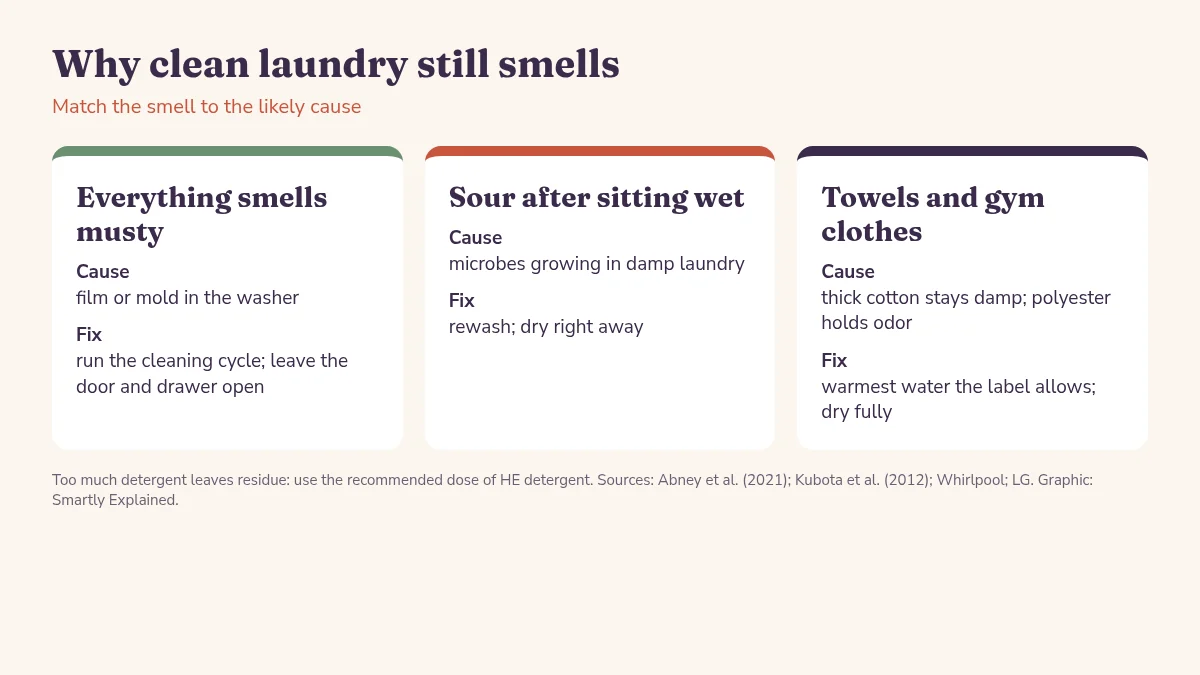
| What you notice | Likely cause | First fix | Source |
|---|---|---|---|
| Musty or mildew smell on everything | Washer has a biofilm or mold, often from a closed door | Run the washer's cleaning cycle; leave the door and drawer open | Whirlpool, LG, Abney et al. |
| Sour smell after clothes sat in the washer | Microbes growing in wet laundry | Rewash; move loads to the dryer right away | LG, Whirlpool |
| Clean clothes smell like body odor when you sweat | Body oils and odor compounds held in synthetic fibers | Warmer wash if the label allows | Abney et al. |
| Towels smell even after washing | Thick cotton holds water and bacteria | Warmest water the label allows; dry completely | Abney et al. |
| Waxy or perfume-heavy smell, stiff fabric | Too much detergent or fabric softener left in the fabric | Use the measured dose of HE detergent | LG, Whirlpool |
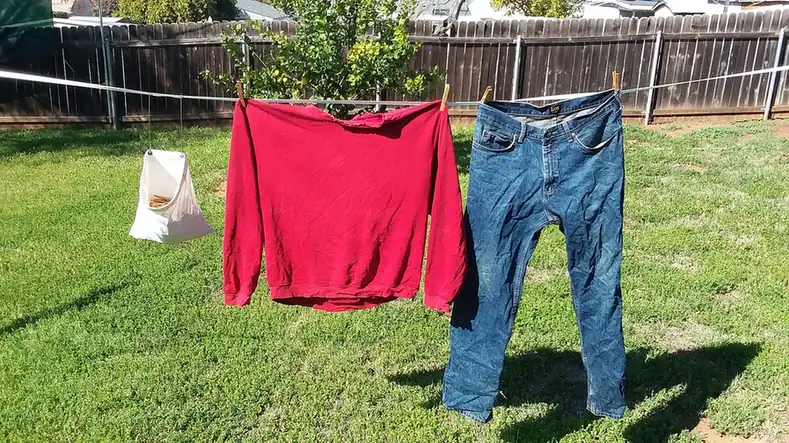
| Smell after line drying on a humid day | Slow drying lets microbes grow | Dry in the dryer or somewhere with airflow | Abney et al. |
Why bacteria survive a wash
Washing removes and kills microbes in three ways: agitation and soaking, chemistry (detergent and bleach) and heat. The 2021 review says temperature plays the most important role in controlling pathogens, with temperatures above 40°C to 60°C (104°F to 140°F) needed for proper inactivation, and that detergent enzymes and bleach matter more in washes colder than 20°C (68°F) (Abney et al.). If one category of laundry keeps smelling, that's the load to wash warmer, as far as the care label allows.
The smell itself has a known culprit. A 2012 study traced the typical "wet laundry" odor largely to Moraxella osloensis, a bacterium that produces an odor compound called 4-methyl-3-hexenoic acid and tolerates drying and UV light (Kubota et al., 2012). That tolerance is why the smell can come back when a shirt gets damp again.
Fabric matters too. The review notes that bad smells are more often tied to polyester, because the odor compounds attach more strongly to it than to cotton and are harder to remove. That's why gym clothes are often the worst offenders.
Fix the washer first
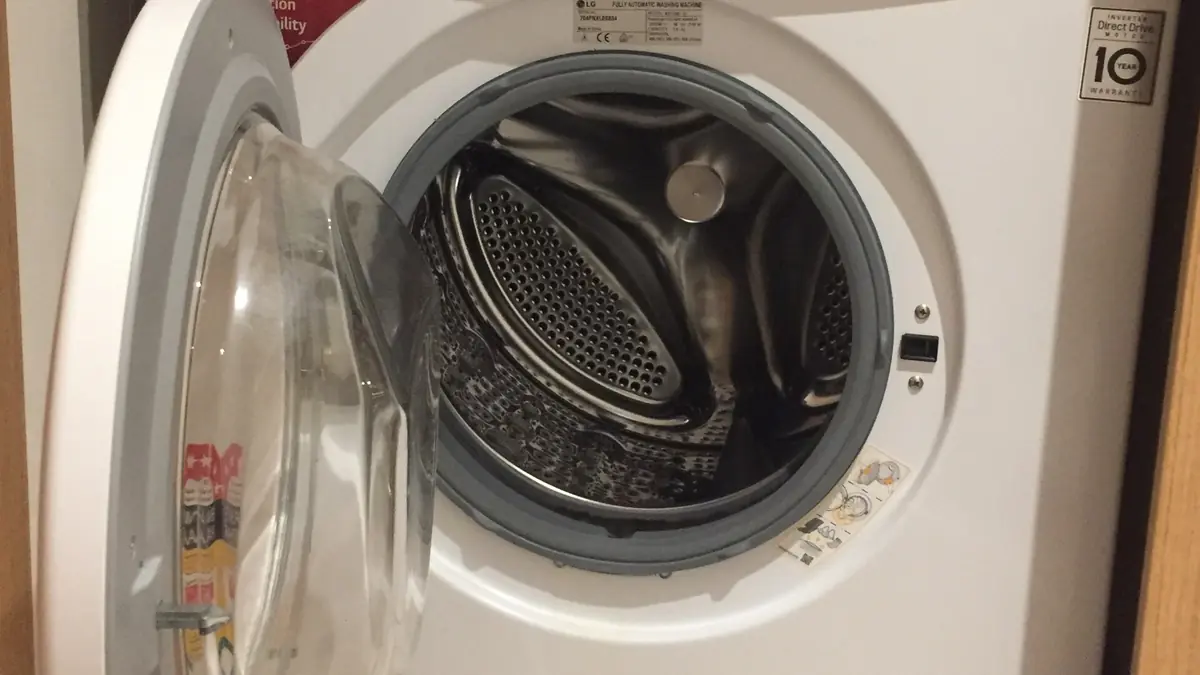
If everything smells, the machine is the likely source. What the manufacturers say:
- Run the cleaning cycle. Whirlpool says to run its Clean Washer cycle every month with its washer cleaner or liquid chlorine bleach (Whirlpool). LG recommends its Tub Clean cycle once or twice a month with an oxygen-based drum cleaner, and warns that chlorine bleach or acidic cleaners on that cycle can discolor or corrode the drum (LG). Because the brands disagree, use what your own manual says.
- Leave the door open between loads. LG explains that front-load doors seal watertight, so keeping them shut traps moisture and residue. LG also says to let the drum and detergent drawer air out after each cycle, especially in humid weather.
- Clean the detergent drawer. LG suggests weekly; Whirlpool says to remove and clean it regularly following your owner's manual.
- Keep the drum empty. LG suggests using a separate laundry basket rather than storing dirty clothes in the washer.
Then fix the routine
- Move clothes out as soon as the cycle ends. Whirlpool says wet clothing left in the washer can lead to mildew, which causes odors in both the garment and the washer.
- Measure detergent. Whirlpool and LG both say to use HE detergent in HE machines and no more than the recommended amount. More soap means more residue, not cleaner clothes.
- Dry fast and fully. The review says microbes survive better at lower dryer temperatures and shorter drying times, and that they can multiply during slow air drying. Line drying outdoors in humid conditions can increase bacteria in clothing, though long exposure to sunlight may reduce fungi.
- Don't let damp clothes wait. The review's authors found bacteria grow in clothing kept in hampers between washes, more so in humid conditions. Hang sweaty gym clothes or wet towels to dry before they go in the basket.
When to rewash
If a load sat wet for hours and smells sour, rewash it before drying. If the smell keeps coming back on the same polyester items after you've cleaned the washer and changed the routine, the odor compounds may be bound to the fibers: the review notes they attach more strongly to polyester and are harder to remove with detergent alone.
A note on our sources: the 2021 review was written by University of Arizona researchers with co-authors from Reckitt, the maker of Lysol and Dettol. We used it for the science of how odors form and survive, not for product advice.
Questions readers ask
Why do my clothes smell musty after washing?
Usually bacteria or mold. Researchers point to bacteria and fungi that survive the wash, and to the washing machine itself as a significant source. Wet clothes left in the drum and slow drying make it worse.
Why do my towels smell even when they're clean?
Thick fabrics hold more moisture and bacteria. A 2021 review notes that the thicker the fabric, the more bacteria survive laundering, and cotton towels stay damp longer. Wash towels in the warmest water the label allows and dry them fully.
Does using more detergent help?
No. Whirlpool says to use HE detergent and no more than the recommended amount, and LG says too much detergent or fabric softener leaves residue that builds up and leads to odors.
How often should I clean my washing machine?
Follow your manual. Whirlpool says to run the Clean Washer cycle every month, and LG recommends its Tub Clean cycle once or twice a month. Leave the door and detergent drawer open between loads.
Sources and fact-check
- Abney SE et al. (2021). Laundry Hygiene and Odor Control: State of the Science. Applied and Environmental Microbiology 87(14):e03002-20
- Kubota H et al. (2012). Moraxella species are primarily responsible for generating malodor in laundry. Applied and Environmental Microbiology 78:3317-3324
- Removing Odors or Smells, Front Load Washer, Whirlpool Product Help
- LG Washing Machine: Troubleshooting Musty Odors, LG USA Support
Rules change. Spot something out of date? Tell us.