How to Store Bulk Rice Long Term: Containers, Oxygen Absorbers and Shelf Life
Store white rice in airtight, food-safe containers such as Mylar-type bags, PETE bottles or lined #10 cans with oxygen absorbers, somewhere cool and dry. Utah State University Extension says sealed white rice keeps up to 10 years at 70°F and up to 30 years cooler. Brown rice lasts months, not years.

The short answer
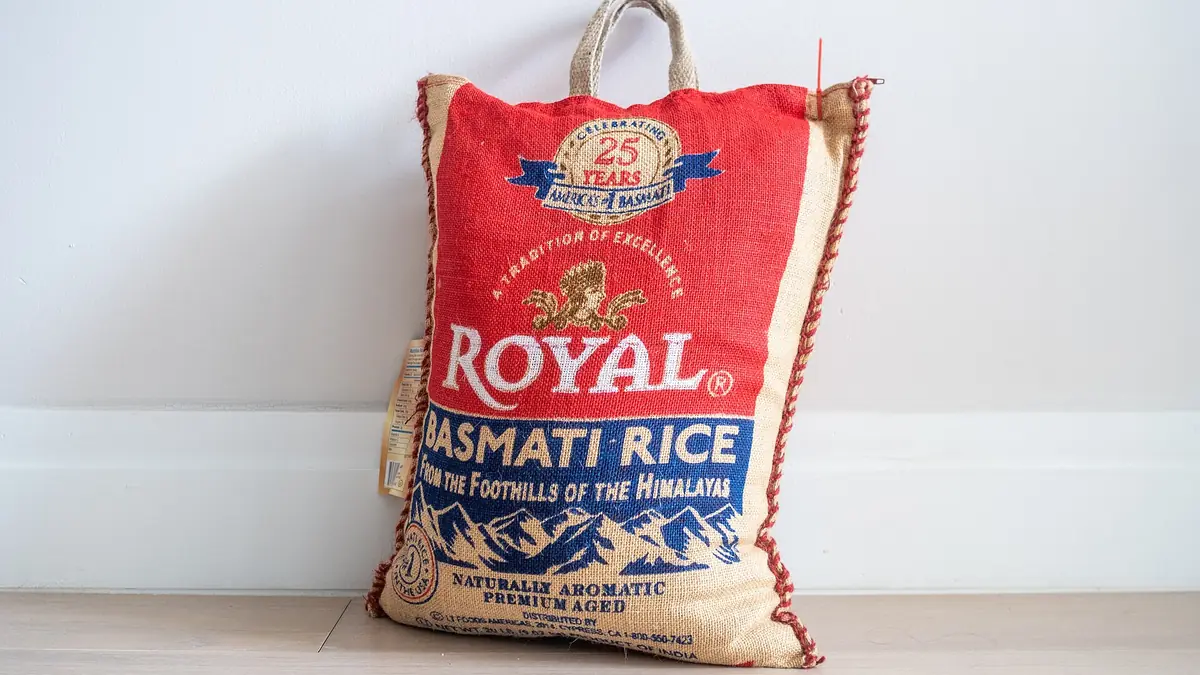
To store bulk rice long term, put white rice in airtight, food-safe containers (Mylar-type foil pouches, PETE plastic bottles, glass jars or enamel-lined #10 cans), add a food-safe oxygen absorber to each, seal them, and keep them somewhere cool, dry and dark. Utah State University Extension says rice stored at a constant 70°F with oxygen absorbers keeps well for up to 10 years, and rice sealed in oxygen-free containers in cooler storage can last up to 30 years (USU Extension). Brown rice is different: its natural oils go rancid, so plan on months, not years.
In this explainer
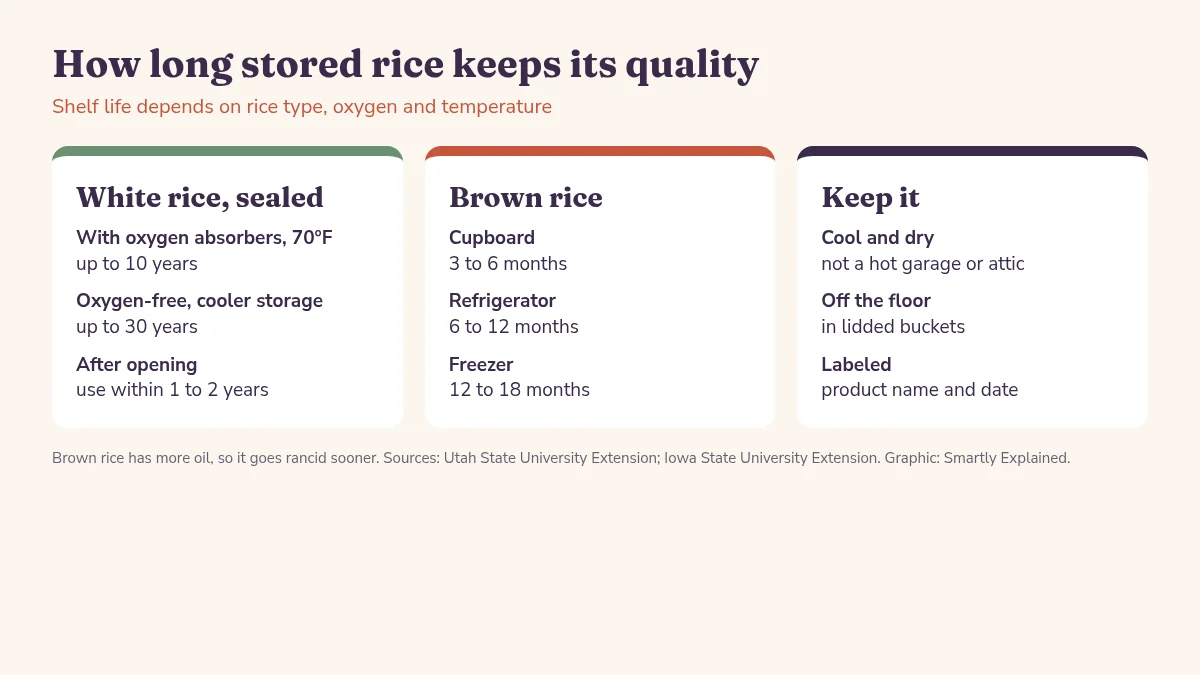
Shelf life at a glance
| Rice and storage | How long it keeps its quality | Source |
|---|---|---|
| White rice, sealed with oxygen absorbers, constant 70°F | Up to 10 years | USU Extension |
| White rice, sealed oxygen-free, cooler storage | Up to 30 years | USU Extension |
| White rice after you open the container | Use within 1 to 2 years | USU Extension |
| Brown rice, cupboard | 3 to 6 months | Iowa State Extension |
| Brown rice, refrigerator | 6 to 12 months | Iowa State Extension |
| Brown rice, freezer | 12 to 18 months | Iowa State Extension |
USU notes that the best temperature for storing grains, including rice, is 40°F or below. Every step warmer shortens the time. A BYU study that USU cites sampled polished and parboiled rice stored from 1 to 30 years and found both kept their nutrients and flavor.
Pick a container
USU Extension lists four container types that work best for long-term rice storage (USU):
| Container | Good for | Watch out for |
|---|---|---|
| Mylar-type foil pouches | Large amounts; several pouches fit inside a 5-gallon bucket | Pouches can be punctured; the bucket adds rodent protection |
| PETE plastic bottles | Rice you'll rotate through regularly | Use only bottles that held food before, with plastic (not paper or foam) lid seals |
| Glass jars | Small batches you can see into | Light and breakage; store in a dark cupboard |
| #10 cans with food-grade enamel lining | Holds about 5.7 pounds of rice each | Needs a can sealer |
USU's packaging guide explains why the foil pouches work: the foil layer sharply cuts how much oxygen and moisture pass through the film (USU packaging guide). For PETE bottles, it suggests checking that the lid seal won't leak air by holding a sealed, empty bottle under water and pressing on it. Air escaping means the seal leaks.
Step by step: packing rice in Mylar-type pouches
- Inspect the rice. USU advises buying from a trusted source and checking for insects or discoloration first.
- Optional: freeze it. For rice bought in smaller bags, USU mentions freezing the bags for 3 days to kill any insects or larvae, then letting the rice come to room temperature before packing it airtight so condensation doesn't form inside.
- Fill the pouches, leaving room at the top to seal.
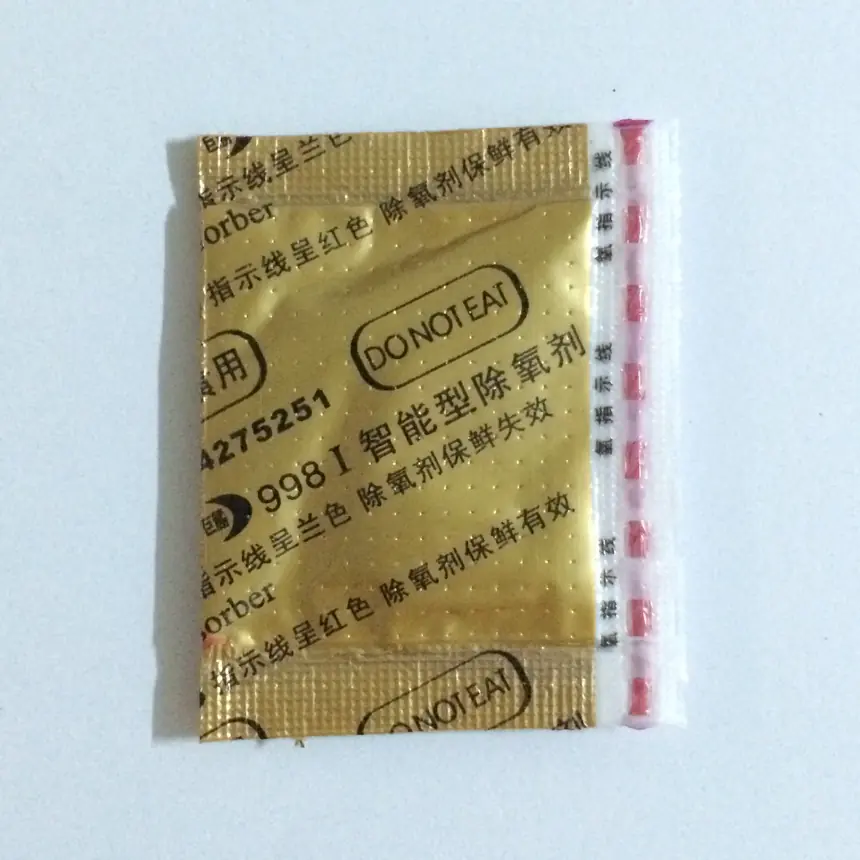
- Add oxygen absorbers last. They start working as soon as they hit air. Ask Extension explains that absorbers are iron powder that reacts quickly with oxygen and moisture, so buy food-safe ones in airtight packaging and follow the package's guidance on how much food each one covers (Ask Extension). Reseal unused absorbers right away.
- Seal completely. Absorbers only work in a fully sealed container. Heat-seal pouches.
- Label each one with the contents and date, as USU's packaging guide recommends.
- Store pouches in a lidded bucket off the floor, somewhere cool and dry.
Where to keep it
Moisture and heat are the two things that shorten storage life. USU says humidity in the storage area should be low, because dried foods that pick up moisture can grow mold and bacteria. Good spots are an interior closet, under a bed or a cool basement shelf. A garage or attic that heats up in summer works against you, since USU's long-life figures depend on steady, cool temperatures.
A warning about vacuum sealing
A vacuum sealer can help keep dry rice fresh, but USU stresses that vacuum packaging is not a preservation method by itself. Removing oxygen helps against rancidity and insects, yet it also favors the bacteria that cause botulism in moist foods. That's why long-term storage is only for dry, low-moisture rice. Never seal cooked rice for pantry storage.
Brown rice: a shorter clock
Brown rice keeps its bran layer, and Texas A&M AgriLife Extension notes that grains with more fat have a shorter shelf life; it puts brown rice at up to 6 months in a cool, dry pantry or up to a year in the freezer (Texas A&M AgriLife). Iowa State's guidance runs a little longer in the freezer (12 to 18 months). Either way, buy brown rice in amounts you'll use within a year and keep it cold.
How to tell if stored rice has gone off
Texas A&M AgriLife says grains should smell slightly sweet or have no odor, and an oily or musty smell means poor quality. Also throw out rice that shows:
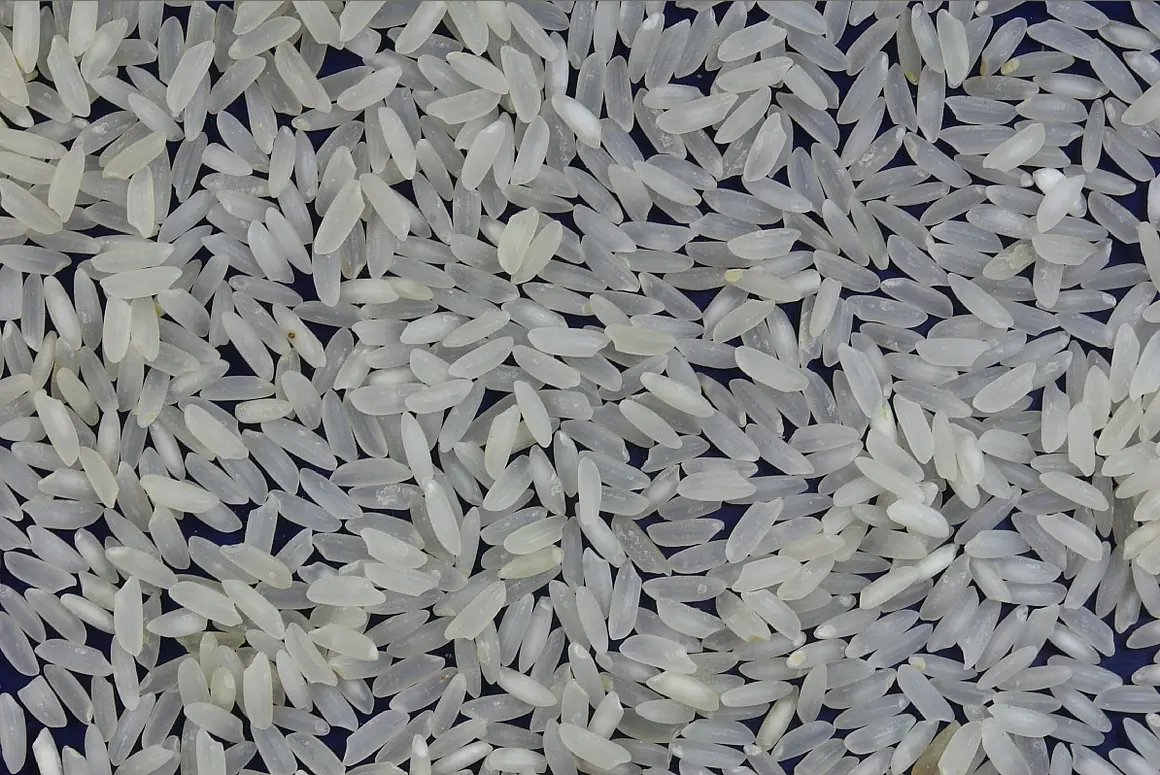
- Live or dead insects, webbing or clumps
- Signs of moisture or mold
- A swollen or punctured container
How much to store
USU Extension suggests a one-year supply is about 300 pounds of grains per person, of which 25 to 60 pounds might be rice depending on what your family eats. Store what you'll actually cook, and rotate it: use the oldest container first, and replace it when you open a new one.
Questions readers ask
How long does white rice last in long-term storage?
Utah State University Extension says polished white rice that is properly sealed and stored keeps well for 25 to 30 years in cool storage, and up to 10 years at a constant 70°F with oxygen absorbers. After you open a container, use it within 1 to 2 years.
Can you store rice in the bag it came in?
Not for the long term. Store bags are fine for normal pantry use, but USU Extension recommends moving rice for long-term storage into tightly sealed food-safe containers that keep out moisture, insects and rodents.
Do oxygen absorbers kill bugs in rice?
Removing oxygen protects stored rice from insect infestation, according to USU Extension, but the container has to be completely sealed for absorbers to work. Freezing rice for 3 days before packing is another step USU mentions for killing insects or larvae.
Can you store brown rice long term?
Not like white rice. Its bran contains oils that go rancid. Iowa State University Extension gives 3 to 6 months in the cupboard, 6 to 12 months in the fridge and 12 to 18 months in the freezer for best quality.
Sources and fact-check
- Storing White Rice, Utah State University Extension
- Packaging Foods for Storage, Utah State University Extension
- Food safe oxygen absorbers, Ask Extension (Cooperative Extension)
- Brown Rice (Pantry Picks), Iowa State University Extension and Outreach, Spend Smart Eat Smart
- Storing Grains, Texas A&M AgriLife Extension
Rules change. Spot something out of date? Tell us.